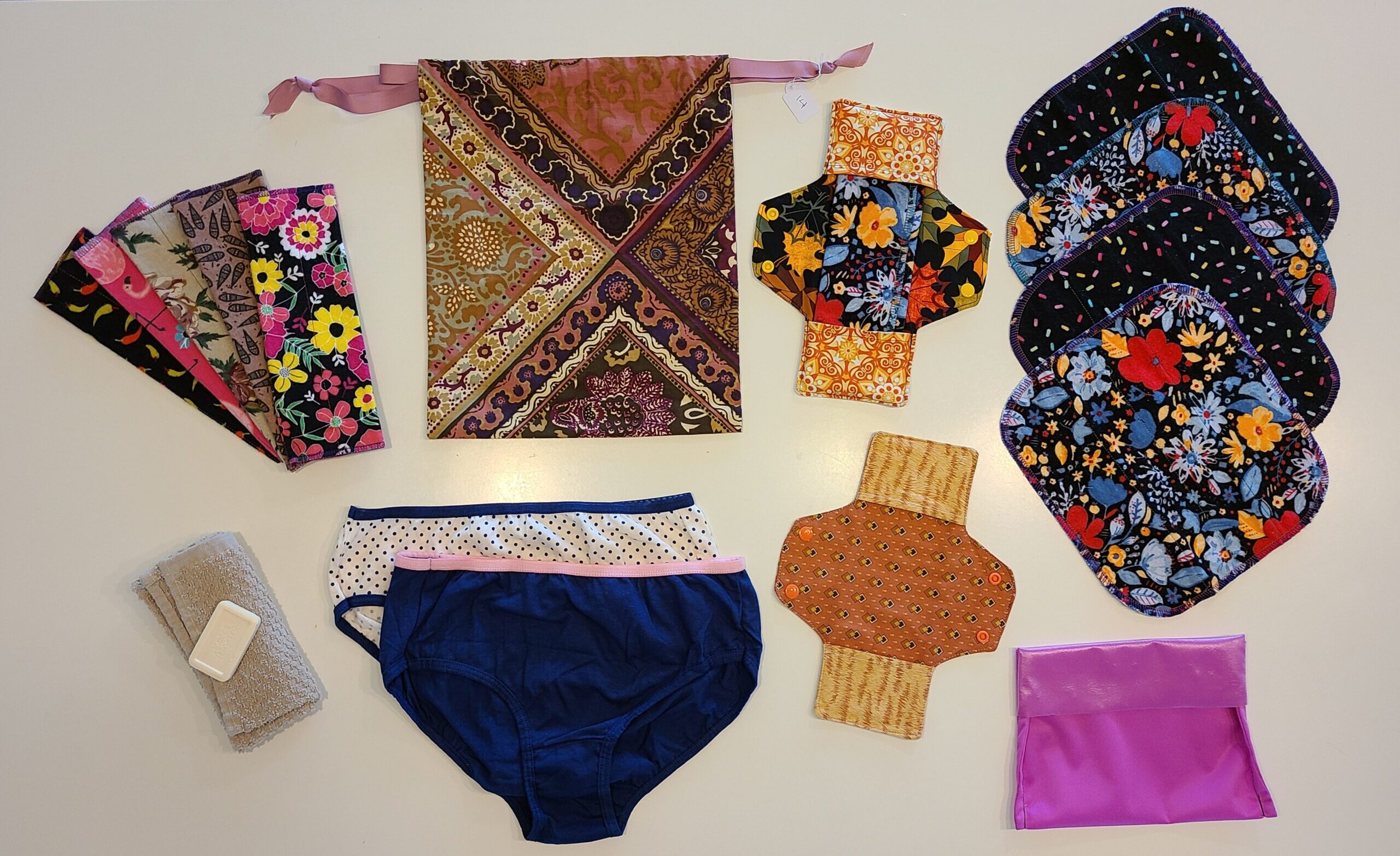
Beyond lacking adequate facilities or supplies for learning, there are other barriers that Ghanaian girls face that stop them from getting the education that they need: lack of access to feminine hygiene materials, and a stigma around menstruation.
In 2014, Sustainable Development Focus, an NGO, found that 95% of rural Ghanaian school girls miss school for an entire week each month because they have no way to manage their menstruation. Nearly a quarter of their education is missing because they lack basic supplies that many women in developed countries wouldn’t think twice about.
Missing one week of school each month doesn’t just mean that a girl is learning 25% less than her peers, it also means that when she returns she also must teach herself both the missed material as well as the current week’s material. Anyone who has ever missed a few days of school due to illness can relate to this–the anxiety of trying to learn something that makes little sense so that one does not fall further behind, the desperate asking around to be sure that one knows exactly what they missed the last week, the busy nights spent trying to do a double load of work…
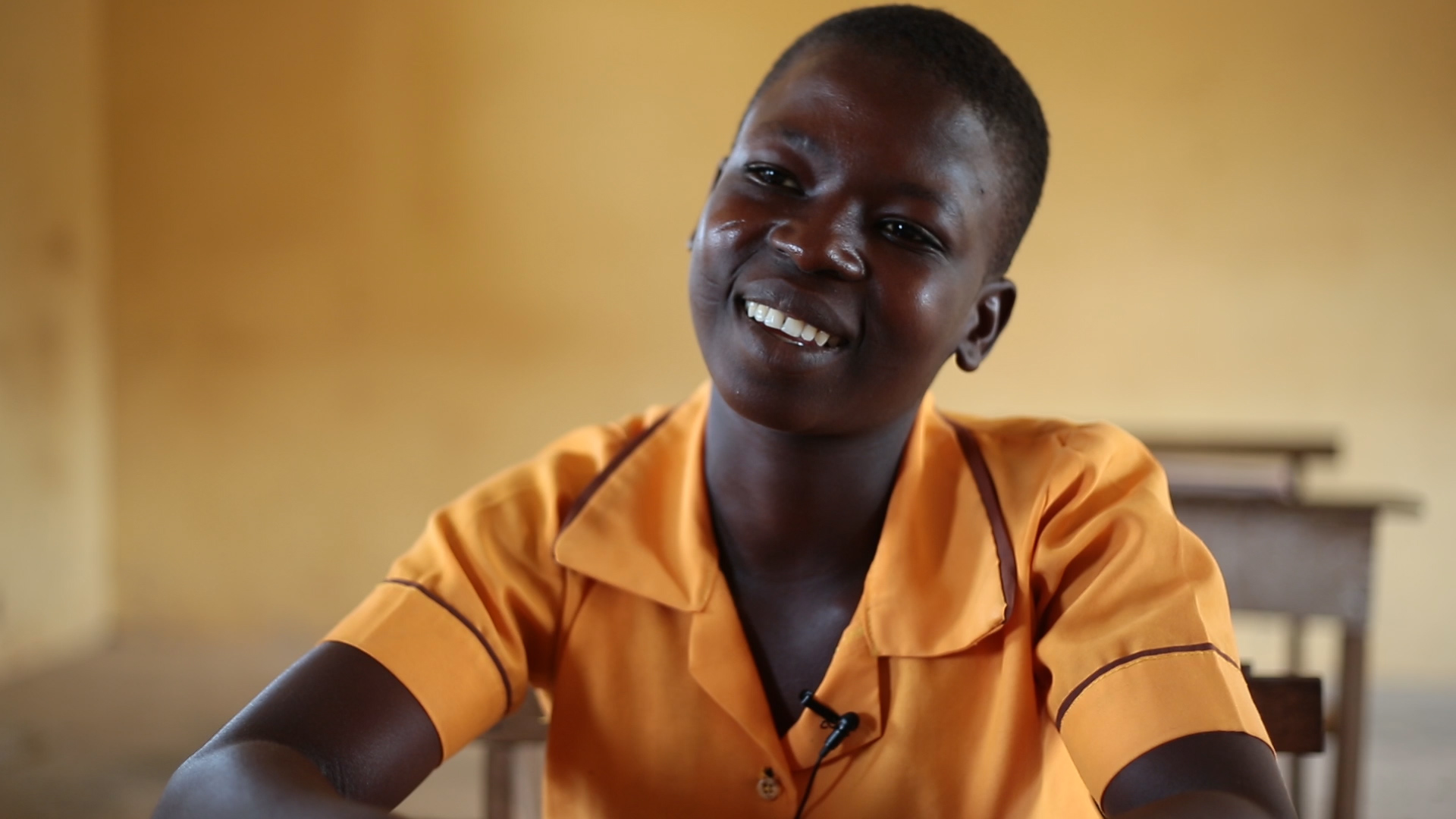
Empower Playgrounds became personally interested in this issue when founder Ben visited the village of Bahankra one day, and requested to meet the top student in the school. He was informed that the top student, Erika, was not attending that day due to her menstruation. When he did meet her, he learned that she wanted to become a doctor, and spent extra time each night studying because she loved learning so much. Erika, and girls like her who work hard to not only stay in school but excel in it, deserve to be able to come to school every day. But what can be done to enable them to stop missing school?